About Culver City, CA
Located on the Westside of Los Angeles County, Culver City is a compact urban community celebrated for its historic connection to film and television, thriving creative economy, walkable downtown, arts scene, and central location between Downtown Los Angeles and the Pacific Coast. Incorporated in 1917, the city has long embraced its identity as “The Heart of Screenland,” while evolving into an important center for entertainment, media, technology, restaurants, and independent businesses.
Home to an estimated 39,452 residents as of July 1, 2025, Culver City encompasses approximately 5.11 square miles of land. Much of the city is surrounded by Los Angeles, and its central Westside location places residents near Santa Monica, Beverly Hills, Century City, Marina del Rey, LAX, and Downtown Los Angeles. Regional freeway and rail connections also make the city an important residential and employment hub.
Culver City has a particularly strong creative economy. The city’s General Plan identifies information, media, professional services, entertainment, software, advertising, and other creative industries as major components of its employment base. Historic studio activity remains part of the city’s identity alongside newer technology and media investment.
Culver City Real Estate Market
The Culver City real estate market includes condominiums, townhomes, classic bungalows, Spanish-style residences, mid-century homes, and contemporary single-family properties. Neighborhood character varies considerably across areas such as Downtown, Carlson Park, Culver West, Blanco-Culver Crest, Fox Hills, Sunkist Park, and the residential streets surrounding the city’s school and recreation campuses.
For the three months ending July 2026, Redfin reported a median Culver City home sale price of approximately $1.33 million, up 10.8% year over year. Homes sold after an average of approximately 45 days on the market, compared with 43 days during the corresponding period a year earlier.
Whether buyers are considering a condominium close to commercial districts, an established neighborhood home, or a larger property near the hills, Culver City attracts interest for its central Westside location, creative-industry employment, local schools, parks, restaurants, and access to regional transportation.
What to Love
- Creative & Entertainment Heritage: Culver City's long connection to motion-picture production continues through its studios, media companies, public art, galleries, and creative businesses.
- Walkable Downtown: Downtown Culver City is a regional destination for restaurants, theater, shopping, public spaces, and cultural activity
- Strong Arts Scene: The Culver City Arts District stretches along Washington Boulevard and hosts galleries, creative businesses, restaurants, and the annual Art Walk and Roll Festival.
- Outdoor Recreation: Residents have access to 13 city parks, walking trails, sports facilities, the Ballona Creek Bike Path, and nearby hillside recreation.
- Central Westside Location: Culver City sits near Santa Monica, Beverly Hills, Century City, Marina del Rey, LAX, and major employment centers across Los Angeles.
Local Lifestyle
Culver City offers an energetic urban lifestyle where residential neighborhoods sit alongside film studios, creative offices, restaurants, galleries, parks, and pedestrian-oriented commercial districts. Its relatively compact size gives residents access to many everyday destinations without sacrificing connectivity to the wider Los Angeles region.
Mornings may begin with coffee in Downtown Culver City, a jog through a neighborhood park, or a bicycle ride along Ballona Creek. The city maintains 13 parks, along with swimming, tennis, basketball, playgrounds, a skate park, dog park, and extensive recreation programming.
Afternoons can include browsing galleries in the Arts District, shopping along local commercial corridors, visiting a park, or exploring Culver City’s public-art collection. The city’s Art in Public Places program dates to 1988 and includes a dedicated Downtown Cultural Walking Tour.
Evenings bring residents and visitors into Downtown and Washington Boulevard for restaurants, theaters, cafés, bars, and community events. Whether living near the downtown core or on a quieter residential street, the Culver City lifestyle combines neighborhood character with access to some of Los Angeles’ most important cultural and employment centers.
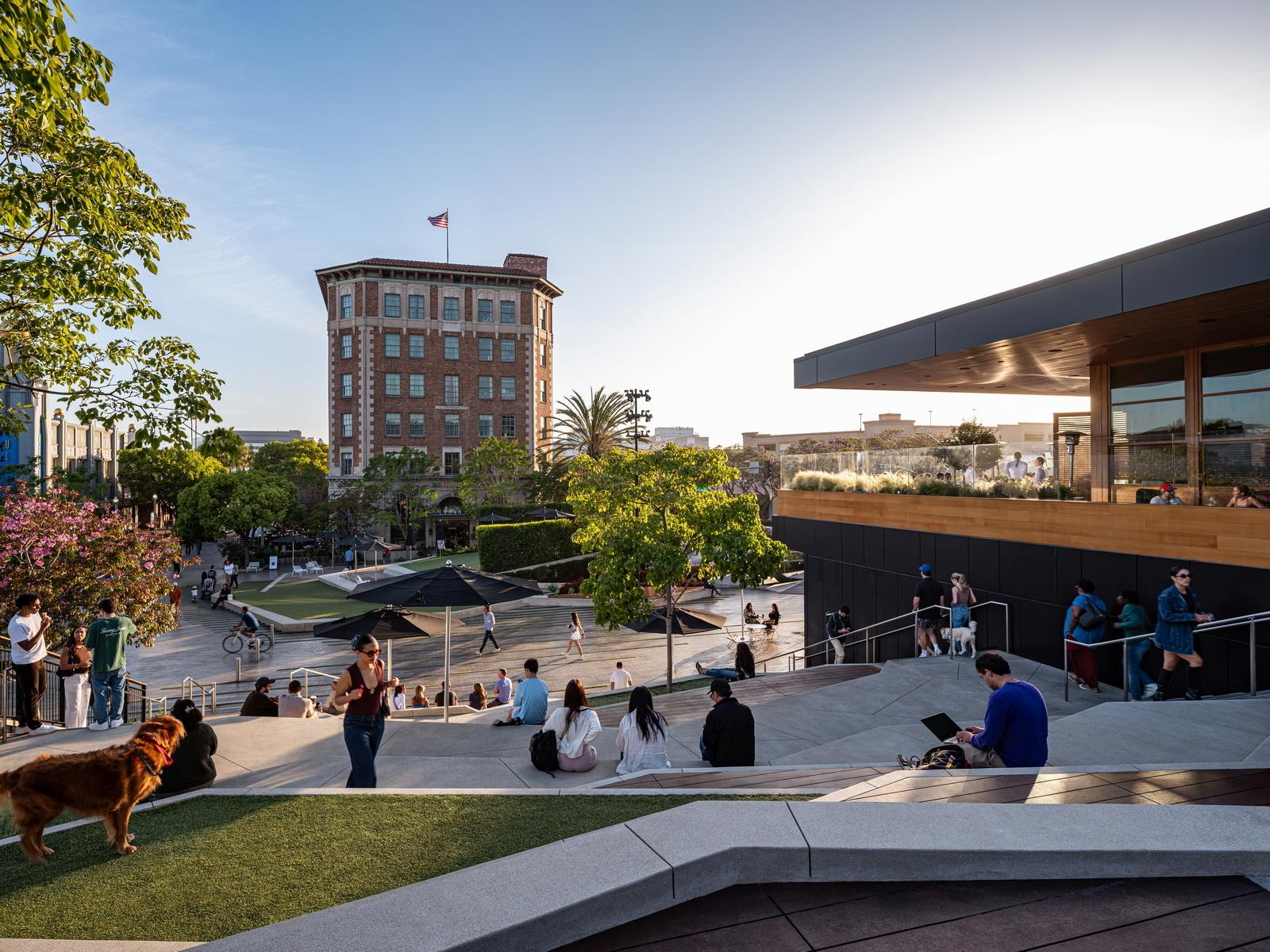
Urban neighborhood with palm-lined streets and Southern California sunset views.
Dining, Entertainment & Shopping
Culver City has a diverse dining and retail landscape organized around several distinct commercial districts.
Downtown Culver City serves as the city’s best-known dining and entertainment center, with restaurants, theaters, public gathering spaces, shops, and cultural attractions concentrated around Culver and Washington boulevards. The Downtown Business Association represents more than 120 business members in the district.
The Culver City Arts District extends from the area around National Boulevard east along Washington Boulevard toward Fairfax Avenue, bringing together galleries, restaurants, creative offices, specialty retailers, and annual cultural events.
Additional neighborhood destinations include Culver Village, with more than 50 businesses along Sepulveda Boulevard, and the Washington West Business District, known for artisan restaurants, specialty retail, and creative businesses near the city’s western edge.
Together with the city’s film and media heritage, live theater, public art, and proximity to destinations throughout the Westside, Culver City offers an unusually complete mix of neighborhood convenience and regional entertainment.
Things to Do
Arts, recreation, dining, cycling, hiking, and cultural attractions make Culver City one of the Westside’s most active urban communities.
Baldwin Hills Scenic Overlook
Climb the hillside trails and well-known staircase for expansive views across the Los Angeles Basin. The 58-acre California State Park includes a loop trail, native vegetation, wildlife viewing, picnic opportunities, and panoramic viewpoints above Culver City.
Culver City Park
Explore this 41.55-acre community park on Jefferson Boulevard. Amenities include walking and jogging paths, playgrounds, basketball facilities, picnic areas, a skate park, dog park, nature trail, and trail access toward the Baldwin Hills Overlook.
Ballona Creek Bike Path
Cycle or walk along the Ballona Creek corridor. The city’s bike route extends approximately 7 miles from Syd Kronenthal Park toward the Pacific Ocean, where it connects with the regional Marvin Braude coastal bicycle path.
From Downtown’s public spaces and creative districts to hillside trails, neighborhood parks, cycling routes, and community events, Culver City provides an active lifestyle with convenient access throughout Los Angeles.
Schools
Culver City is served by the Culver City Unified School District, which operates elementary, middle, high school, alternative, language-immersion, adult, and early-childhood programs.
- Culver City Unified School District: The city's primary public-school system, serving students from elementary through high school and offering additional alternative and adult-education programs.
- Culver City High School: The district's comprehensive public high school, located on Elenda Street.
- Culver City Middle School: The district's comprehensive middle school, also located on the Elenda Street educational campus.
- Local Elementary Schools: CCUSD operates El Marino Language School, El Rincon Elementary, Farragut Elementary, La Ballona Elementary, and Linwood E. Howe Elementary, providing neighborhood and specialized elementary education options.
Overview for Culver City, California
Approximately 39,452 people live in Culver City based on the U.S. Census Bureau’s July 1, 2025 population estimate. The 2024 American Community Survey 5-year estimates report a median age of approximately 40.8 years, while Census QuickFacts reports a $117,389 median household income and $79,000 per-capita income for the 2020–2024 period. Culver City covers approximately 5.11 square miles of land and recorded a 2020 population density of approximately 7,977 people per square mile.