In recent years, the concept of multigenerational living has gained significant traction. Families are increasingly choosing to live together under one roof, combining resources, and sharing responsibilities. This arrangement not only fosters stronger family bonds but also provides financial benefits. However, finding the right-sized home for such a lifestyle can be challenging. This blog post will guide you through the essential considerations and practical tips for selecting a home that meets the needs of multiple generations.
Understanding Multigenerational Living
Multigenerational living refers to a household that includes more than two generations. This can include grandparents, parents, children, and sometimes even aunts, uncles, or cousins. According to a report by the Pew Research Center, about 20% of the U.S. population lives in multigenerational households, a number that has been steadily increasing.
Benefits of Multigenerational Living
- Financial Savings: Sharing a home can significantly reduce living expenses. Families can split mortgage payments, utility bills, and maintenance costs.
- Support System: Having multiple generations under one roof provides emotional and practical support. Grandparents can help with childcare, while younger family members can assist with technology or physical tasks.
- Stronger Family Bonds: Living together fosters closer relationships and creates a sense of community within the family.
Key Considerations When Choosing a Home
When searching for a home suitable for multigenerational living, several factors should be taken into account:
Space and Layout
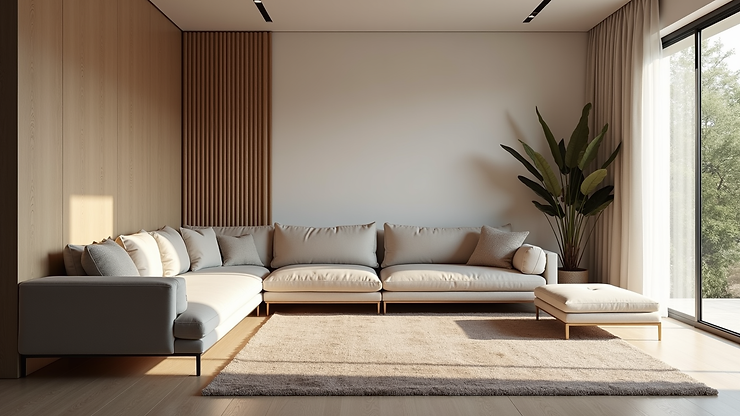
Open Floor Plans: Look for homes with open layouts that promote interaction among family members. An open kitchen and living area can serve as a central hub for family gatherings.
Separate Living Areas: Consider homes with separate living spaces, such as a basement apartment or an in-law suite. This allows for privacy while still being close to family.
Accessibility
Single-Level Homes: If older family members will be living in the home, consider single-level options to avoid stairs. This can make daily living easier and safer.
Wide Doorways and Hallways: Ensure that the home has wide doorways and hallways to accommodate mobility aids if necessary.
Location
Proximity to Amenities: Choose a location that is close to schools, healthcare facilities, and shopping centers. This can make life easier for all family members.
Community Resources: Look for neighborhoods that offer community resources such as parks, recreational centers, and senior services.
Practical Tips for Finding the Right Home
Set a Budget
Before starting your home search, establish a budget that considers all family members’ financial contributions. This will help narrow down your options and prevent overspending.
Involve Everyone in the Decision-Making Process
When searching for a home, involve all family members in the decision-making process. This ensures that everyone’s needs and preferences are considered, leading to a more harmonious living situation.
Work with a Real Estate Agent
A real estate agent experienced in multigenerational living can provide valuable insights and help you find homes that meet your criteria. They can also assist in negotiating terms that benefit all parties involved.
Consider Future Needs
Think about the future when selecting a home. Will the family grow? Will older family members need more assistance? Choose a home that can adapt to changing needs over time.
Examples of Suitable Home Types
Duplexes
Duplexes are an excellent option for multigenerational living. They provide two separate living spaces while still being connected. This arrangement allows for privacy and independence while maintaining close family ties.
Larger Single-Family Homes
A larger single-family home with multiple bedrooms and bathrooms can accommodate several generations. Look for homes with flexible spaces that can be converted into guest rooms or offices as needed.
Homes with Accessory Dwelling Units (ADUs)
ADUs are small, self-contained units located on the same property as a primary residence. These can be perfect for grandparents or adult children seeking independence while remaining close to family.
Making the Most of Your Space
Once you’ve found the right home, it’s essential to make the most of the available space. Here are some tips for optimizing your living environment:
Create Defined Spaces
Use furniture and decor to create defined spaces within open areas. This can help each family member feel a sense of ownership and privacy.
Utilize Vertical Space
In smaller homes, utilize vertical space for storage. Shelving units, wall-mounted cabinets, and hooks can help keep the home organized and clutter-free.
Designate Common Areas
Establish common areas for family activities, such as game nights or movie marathons. This encourages family bonding and creates lasting memories.
Challenges of Multigenerational Living
While there are many benefits to multigenerational living, it is not without its challenges. Here are some common issues families may face:
Privacy Concerns
Living with multiple generations can lead to a lack of privacy. It’s essential to establish boundaries and respect each family member’s need for personal space.
Conflicting Lifestyles
Different generations often have varying lifestyles and routines. Open communication is key to finding a balance that works for everyone.
Financial Disagreements
Money can be a sensitive topic in multigenerational households. Establish clear financial agreements to avoid misunderstandings and conflicts.
Conclusion
Finding the right-sized home for multigenerational living requires careful consideration and planning. By understanding the needs of each family member, involving everyone in the decision-making process, and optimizing your living space, you can create a harmonious environment that benefits all generations. Embrace the opportunity to strengthen family bonds while enjoying the financial and emotional advantages of living together.
As you embark on this journey, remember to keep communication open and be flexible in your approach. Multigenerational living can be a rewarding experience that enriches your family’s life in countless ways.